

Managing Deployed Defense Systems Amid Accelerating Threats

Across defense conferences, strategy papers and procurement announcements, the focus is overwhelmingly on the future. Much of the discussion centers on emerging technologies such as advanced sensing systems, artificial intelligence, autonomous platforms and the increasingly data-driven nature of modern warfare.
What is also changing is the speed at which new capabilities are being adopted. As geopolitical tensions rise and adversaries continue to adapt, defense organizations are introducing technologies designed to counter emerging threats far more quickly. Capabilities that once evolved over long procurement cycles are now being developed, tested and deployed far more quickly as operational demands shift.
In many respects, defense innovation is moving closer to the tempo of modern conflict. Yet this growing focus on next-generation capability can obscure an equally important reality: how to maintain already operational and deployed systems.
Across land, sea and air domains, defense platforms often remain in service for decades. Combat aircraft, naval vessels and land systems often operate for thirty years or more, undergoing multiple technology upgrades throughout their operational life.
For defense organizations operating in an increasingly uncertain security environment, maintaining and evolving deployed systems is just as important as developing the next generation of technology. Ensuring reliability, availability and the ability to introduce incremental upgrades across deployed platforms is now a defining challenge for defense ministries and their industrial partners.
The Reality of Modern Defense Lifecycles
Unlike most commercial technologies, defense platforms are rarely replaced quickly. Major defense platforms are expected to remain operational across multiple decades.
This longevity reflects both the scale of investment involved and the operational risk associated with replacing proven capability. As a result, even as new technologies are introduced more rapidly, the majority of operational defense capability will continue to rely on existing platforms for many years to come.
Maintaining deployed defense systems therefore becomes a strategic activity rather than a purely logistical one. Engineering support, repair capability, component availability and technology refresh programs all play a role in ensuring platforms remain operationally effective throughout their lifecycle.
In many defense organizations, spending on supporting deployed systems now rivals investment in acquiring new equipment. Long service lives also introduce another challenge that is sometimes overlooked.
Over time, the technology providers that originally supplied components may no longer be available. For programs expected to remain operational across multiple generations of technology, ensuring systems can still be supported even if the original supplier is no longer available becomes an important consideration.
This challenge is increasingly recognized across allied defense organizations, where readiness and resilience are now central themes in defense planning. Maintaining the availability and supportability of deployed systems is therefore not simply an engineering issue, but a critical element of operational capability.
Availability is a Program Responsibility
For Tier-1 prime contractors and OEMs, maintaining operational availability is closely tied to program performance. Defense customers increasingly measure success through readiness levels, system uptime and the ability of platforms to perform reliably during extended operational deployments.
This means that supporting technologies such as computing infrastructure, data processing systems and embedded electronics can become critical to overall mission availability.
When these elements fail or become obsolete, they can affect the performance of the wider platform. As a result, primes and OEMs need to place greater emphasis on ensuring that the technology foundations within their systems remain serviceable, supportable and upgradeable over the life of a program.
Support is an Engineering Discipline
Maintaining deployed systems involves far more than routine servicing. Effective lifecycle management spans the entire operational life of a system, including repair capability, engineering support, spares management, diagnostics and planned technology upgrades. These activities ensure that platforms remain reliable and operationally relevant as requirements evolve.
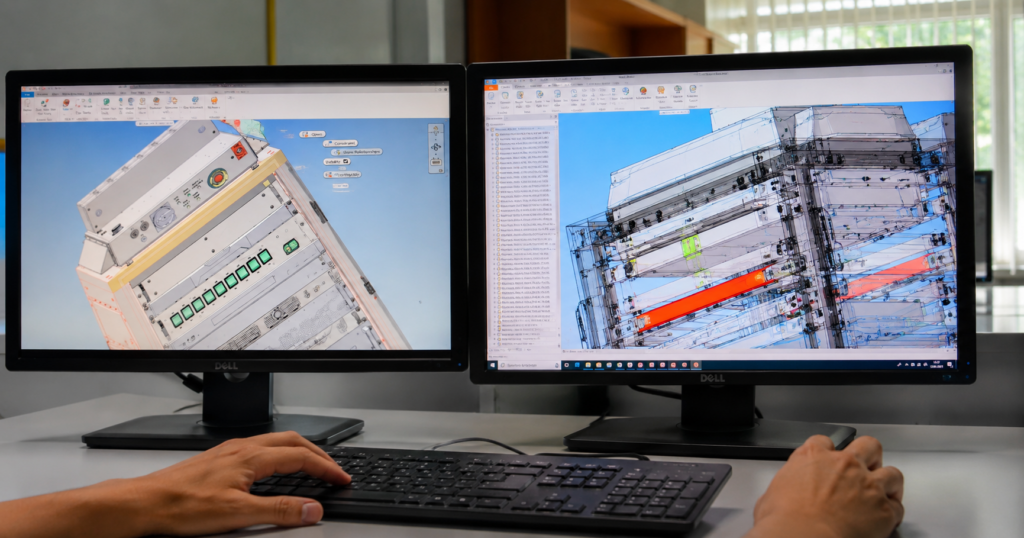
For many modern defense systems this increasingly means integrating updated computing, networking and processing capabilities into established platforms without disrupting operational availability. Supporting deployed systems, therefore, becomes an ongoing engineering activity rather than a static support function.
This is particularly evident in deployable communication systems, where ruggedized computing platforms must be integrated with existing equipment and rapidly deployed across land, sea, and air environments. These systems require ongoing engineering support, upgrades, and reconfiguration to ensure they remain operationally effective as mission requirements evolve.
The Growing Challenge of Obsolescence
The challenge becomes more complex as defense systems rely increasingly on commercial computing technologies. Processors, storage systems and networking hardware evolve on cycles measured in years, while defense platforms often remain operational for decades.
Over time, components become unavailable, operating systems reach end of life and technology standards evolve. At the same time, security requirements also continue to develop as cyber threats increase.
Without structured lifecycle management, these pressures can gradually erode operational capability. Addressing this challenge requires planned technology refresh strategies that allow computing and processing capability to evolve while the wider platform remains in service.
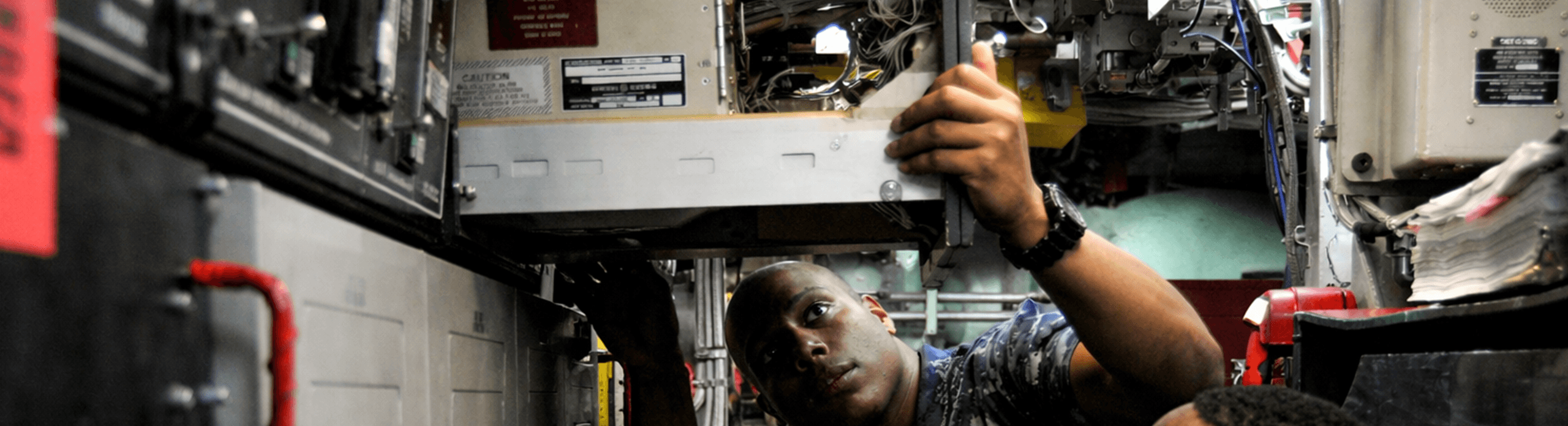
A typical example can be seen in naval fleet upgrade programs, where new computing infrastructure must be integrated into platforms that have been in service for decades. In one such program, updated systems were deployed across multiple ships as part of a retrofit, requiring new technology to operate alongside existing equipment while maintaining operational availability. In these scenarios, the challenge is not replacing the platform but evolving it safely and incrementally within the constraints of certification and integration complexity.
Managing Upgrades Without Disrupting Certification
Introducing new hardware into deployed defense platforms is rarely straightforward. Many systems operate within tightly controlled certification frameworks that govern environmental performance, electromagnetic compatibility and safety requirements.
Even relatively small changes to computing or electro-mechanical subsystems can require validation against these standards. This makes technology refresh programs inherently complex. Upgrades must introduce new capability while preserving compliance with pertinent military certification requirements.
Selecting an engineering partner with proven experience navigating defense compliance frameworks can help programs introduce new technology while maintaining platform integrity and operational assurance.
Evolving Systems Instead of Replacing Them
For many programs, the most practical approach is to evolve deployed systems rather than replace them. Computing infrastructure provides a clear example. Processing requirements for sensor fusion, real-time analytics and data exploitation continue to grow, yet replacing entire platforms simply to introduce new computing capability is rarely viable.
Instead, many defense programs rely on incremental hardware refresh strategies. This approach allows organizations to introduce modern computing capability while preserving proven platform architectures and maintaining compatibility with existing systems.
Done well, it can extend platform service life while ensuring systems remain capable of supporting modern operational requirements.
Reducing Dependence on Single Suppliers
Recent geopolitical developments have also highlighted the vulnerability of complex global supply chains.
Where original suppliers discontinue technologies, withdraw from markets or are no longer able to provide support, defense programs can face significant challenges maintaining existing systems. Strengthening resilience across defense supply chains has therefore become a major focus for governments and industry.
For prime contractors and OEMs responsible for long-life platforms, this raises an important consideration. Supporting deployed systems may require access to engineering partners capable of servicing, repairing and upgrading hardware regardless of the original supplier.
Working with organizations that can operate independently of specific vendors can help programs maintain operational availability even when initial providers are no longer able to support deployed technologies.
Captec Group operate in this space by providing vendor-agnostic lifecycle engineering and hardware support for deployed computing platforms. This allows programs to maintain and evolve systems already in service, including infrastructure that may have originally been supplied by other vendors.
For defense platforms designed to remain operational for decades, ensuring access to this kind of vendor-agnostic support capability can play an important role in maintaining long-term operational resilience.
Innovation and Longevity Must Coexist
The defense industry will always focus on what comes next. The pace of technological change and the evolution of modern threats demand continuous innovation. However, the effectiveness of future capability will continue to depend heavily on the systems already in service.
Across allied defense forces, deployed platforms form the operational backbone of military capability. Ships, aircraft, vehicles and command systems often remain operational for decades, supporting missions long after their original introduction.
Ensuring those systems remain reliable, secure and technologically relevant is therefore just as important as developing the next generation of defense technology. For primes and OEMs responsible for delivering long-life defense programs, increasing importance is being placed on how deployed systems are supported and evolved over time. Hardware obsolescence, supplier changes and evolving operational requirements must all be managed without disrupting platform availability or certification integrity.
Planning for this reality means ensuring that deployed systems can continue to be maintained, upgraded and supported even as technology and suppliers evolve. Organizations capable of providing vendor-independent engineering support, can play an important role in enabling this flexibility by supporting computing infrastructure across deployed systems regardless of the original hardware provider.
As the pace of innovation accelerates, maintaining the operational effectiveness of existing capability will remain one of the most important and often least visible challenges facing defense programs.
The future of defense capability will not be defined only by the systems currently being designed. It will also be shaped by how effectively today’s deployed systems continue to evolve.
Delivering end-to-end, like no one else.
Captec is an award-winning designer and end-to-end provider of specialized computing platforms, integrated systems and subsystems developed to support complex and demanding applications across a wide range of environments.
From modernizing existing technology platforms to integrating connected devices, edge computing and AI-enabled capabilities, Captec’s experienced teams help organizations evaluate, design and implement solutions aligned to their operational objectives.