


Supporting the Evolution of Machine Automation

The expectations placed on automation equipment continue to increase. Manufacturers are seeking greater inspection capability, improved process visibility, and more adaptable production systems, placing new demands on the technologies integrated within these platforms. For automation OEMs, this creates an ongoing challenge: developing systems that deliver increasing capability while remaining reliable, scalable, and supportable throughout their lifecycle. As these systems evolve, the computing hardware behind them plays an increasingly important role in enabling performance, integration, and long-term operation. Selecting the right computing platform is no longer only about processing capability. Modern automation applications require hardware architectures designed around the complete system.
Increasing Requirements Across Automated Systems
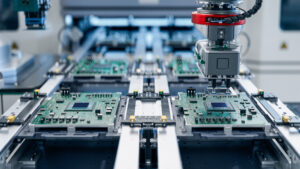
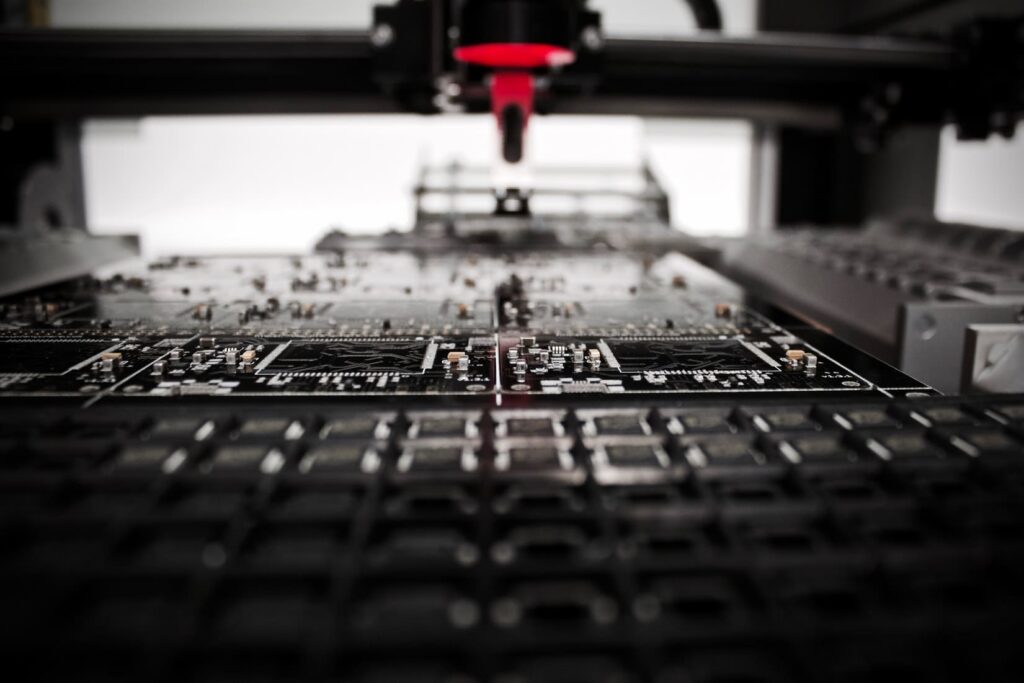
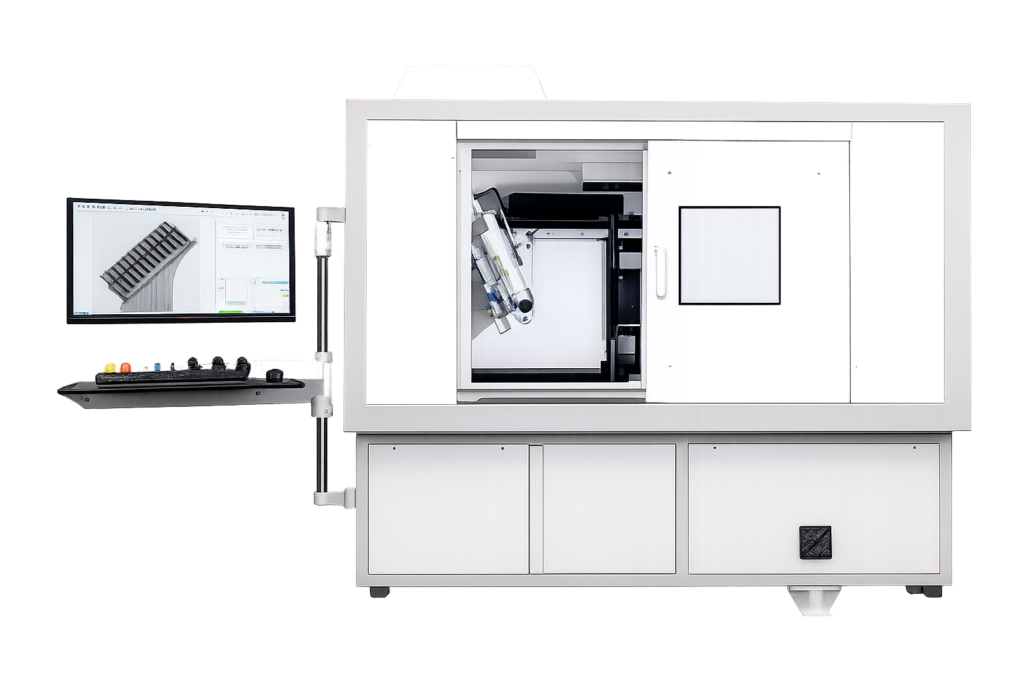
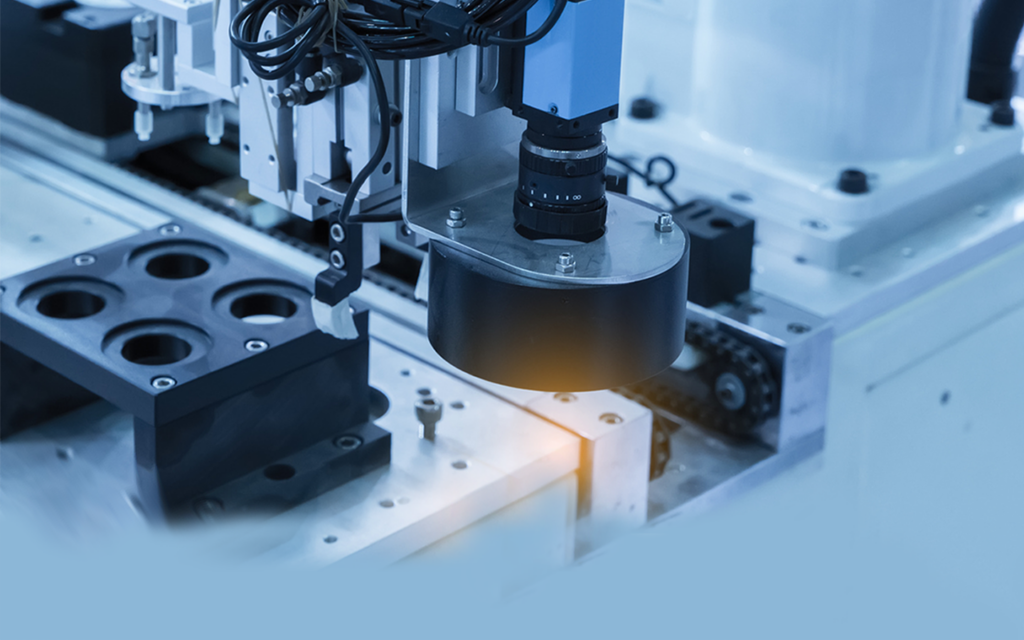
Automation platforms have progressed from isolated equipment toward increasingly connected systems that must capture, process, and act on greater volumes of information. Machine vision and inspection technologies demonstrate this evolution. Modern inspection platforms may combine high-resolution imaging, multiple sensors, real-time processing, and increasingly advanced analysis capabilities within a single system. While these technologies create new opportunities, they also introduce additional engineering considerations for the hardware responsible for supporting them. The computing platform must provide the required capability while fitting within the mechanical, environmental, and operational constraints of the machine.
When Increasing Capability Creates New Engineering Challenges
Adding capability to an automation platform often affects more than one area of system design. Higher inspection performance, additional sensors, and increased data processing requirements can influence computing architecture, thermal management, integration, and lifecycle planning. Increasing processing capability alone does not guarantee an effective solution.The complete platform must be designed so each element works together, from image capture and processing through to system communication and long-term support. A balanced architecture helps ensure increased capability does not introduce unnecessary complexity elsewhere in the machine.
Supporting Advanced Machine Vision Applications
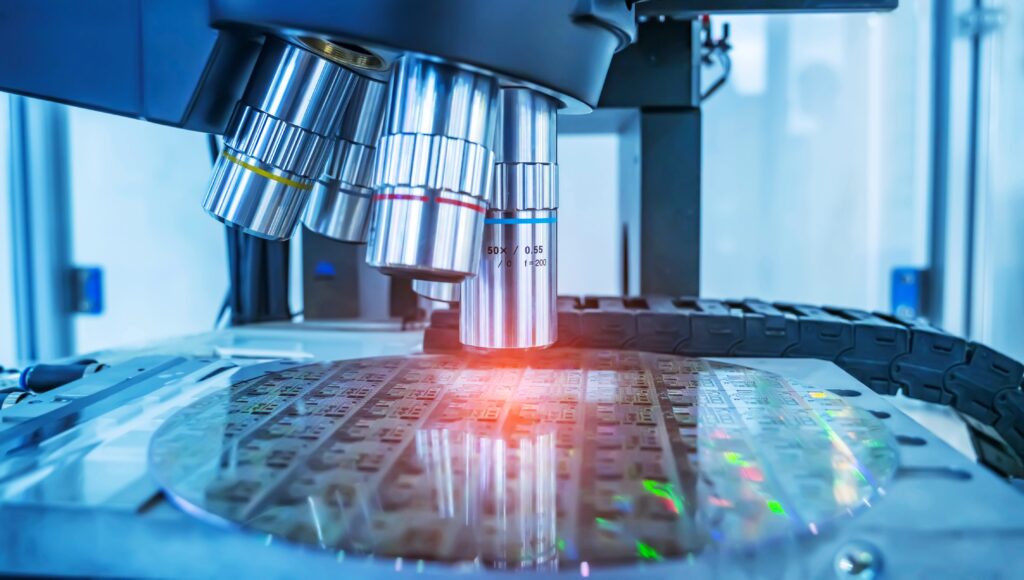
As machine vision applications continue to advance, the relationship between inspection capability and computing hardware becomes increasingly important. AI-enabled analysis, higher-resolution imaging, and increased automation requirements depend on platforms capable of supporting demanding workloads consistently.
For equipment manufacturers, the challenge is balancing performance requirements with practical considerations, including:
- Available installation space
- Connectivity requirements
- Expansion capability
- Environmental conditions
- Long-term availability
Considering these factors early helps ensure the computing platform supports the complete application rather than becoming a limitation within it.
Designing Around the Complete Application
Every automation system has different priorities. Some applications require high processing capability within a compact footprint. Others require extensive expansion, specific interfaces, or controlled thermal performance. These requirements cannot be considered independently. Application-specific computing considers the relationship between processing technologies, mechanical design, electrical requirements, and lifecycle expectations. This approach helps create platforms aligned with the requirements of the machine and the operational environment.
Supporting International Automation Programs
Automation equipment is increasingly developed for deployment across multiple manufacturing regions. Maintaining consistency across these programs requires platforms that can be produced, supported, and maintained throughout their lifecycle. With established capabilities across North America and Europe, Captec supports OEMs developing systems for deployment into manufacturing environments worldwide.
Specialized Computing for Advanced Automation Applications
Captec works with automation OEMs to develop specialized computing hardware engineered around application-specific requirements.By combining processing technologies with mechanical, electrical, and lifecycle considerations, Captec delivers computing platforms designed to integrate within wider systems. From AI-enabled machine vision and inspection equipment to complex automation platforms, Captec supports customers where reliability, performance, and long-term availability are critical.
Developing your next-generation automation platform?
Discover how Captec’s specialized computing hardware supports advanced machine vision, inspection, and industrial automation applications.
Delivering end-to-end, like no one else.
Captec is an award-winning designer and end-to-end provider of specialized computing platforms, engineered to meet the precise needs of any automation application, no matter the complexity or environmental demands.
Whether it’s upgrading your existing machine vision systems, integrating IoT devices, exploring edge computing or improving your existing AI implementation in your automation environments, our experienced teams are ideally placed to help you evaluate and define how you can harness this new era of intelligent automation and engineer support for you to meet your organizational objectives.